The oil and gas industry generates colossal amounts of data, including well reports, maintenance updates, production forecasts, and more. How this data gets collected, managed, and used is one of the most pressing issues for the sector. Implementing cloud computing for the oil and gas industry is key to enabling easier analysis and smoother operations.
On-Site Hosting vs. Cloud Computing for the Oil and Gas Industry
Historically, data collected by sensors and workers, such as the rate of oil flowing through a pipeline or an equipment breakdown, has been stored on on-site servers. While this ensures data is close at hand and relatively secure, it makes it far more difficult to share this data efficiently with other parts of the stream. These on-site servers are also far more vulnerable to damage or mishandling, which is a constant threat in the harsh work environment of a refinery or oil well.
Cloud computing for the oil and gas industry is different. Instead, data is hosted on off-site servers owned and operated by third-party providers. This allows anyone with the proper credentials to access the data via their industrial computer or tablet. Cloud computing in the oil & gas industry is already valued at $2.7 billion in 2024 and is expected to grow as companies seek to modernize their operations.
Applications for Cloud Computing in Oil & Gas
Given how important data is for operations in the modern oil and gas industry, it shouldn’t be a surprise that cloud computing can be used in numerous roles throughout the sector.
Data Collection and Analysis
A typical offshore oilwell platform has anywhere from 350,000 to 500,000 sensors onboard. These sensors perform a range of functions, including monitoring crude oil pressure as it flows through the pipeline, tracking employee locations across the platform, and measuring the performance of various machinery. Cloud computing allows all of this data to be collected in a single location, preventing data silos from forming and enabling easier analysis. This makes it easier to identify inefficiencies, such as the impact of letting maintenance issues go unaddressed on a platform’s operations. Given that unplanned downtime can cost thousands, even millions of dollars per day, preventing it is absolutely critical.
While cloud computing often covers storage, it also feeds directly into the current industry trend of implementing supercomputers. ExxonMobil’s Discovery 6 supercomputer, for instance, uses 4D seismic imaging to locate gas and oil deposits, but depends on cloud-based data to do so. Without the cloud to rely on, Discovery 6 would have nothing to analyze
Process Management
Armed with data from cloud computing, oil and gas companies can better manage standard processes, such as extraction and gas flaring. While useful for managing byproducts produced by various industrial processes in the oil and gas industry, gas flaring generates significant greenhouse gas emissions and is subject to stringent regulation. Cloud computing enables companies to track the amount of these gases they produce through flaring across multiple worksites, making it easier, in turn, to comply with regulatory requirements related to carbon footprints.
Predictive Maintenance
Cloud computing makes it far easier for companies to track how their equipment performs in various environments. For example, it can be used to predict how long a drill can operate before breaking down, taking factors such as the material being drilled through, distance traveled, and drilling speed into account. Armed with this knowledge, drilling operators can replace worn-out parts and perform maintenance before they become serious issues or cause major breakdowns.
Remote Monitoring
Most oil and gas extraction occurs in remote or hazardous areas, such as offshore platforms and onshore derricks. Reducing employee headcount in these areas reduces the cost of transporting workers to and from these workspaces and the risk of injury in the event of an accident or disaster. Cloud computing, when combined with Internet of Things technology, lets companies remotely monitor various factors without putting employees in potentially high-risk environments. To further enhance worker safety, they can wear Internet-connected tags that alert safety systems and personnel if they wander into areas they aren’t supposed to be in.
Remote monitoring also expands a company’s observational capabilities, such as installing sensors along a pipeline to monitor oil flow without installing workstations in remote or inhospitable areas. If an employee must travel to these remote areas (such as for a visual inspection), they can still access cloud-based tools and programs on their outdoor tablet.
Supply Chain and Inventory Management
Cloud computing can also be used in supply chain management and logistics, which are critical to operations in the oil and gas sector. Companies can use the cloud to track inventories and manage requisition forms, making it easier to track materials and equipment as they’re shipped to the correct location. Roughly 70% of companies involved in supply chain management report improved visibility after switching to cloud-based systems.


Benefits of Using Cloud Computing in the Oil & Gas Industry
By leveraging cloud-based solutions, oil and gas companies can achieve cost savings, safer work environments, and easier scaling to meet current needs.
Cost Savings
One of the most critical advantages of using cloud computing in the oil and gas industry is the cost savings it brings across the upstream, midstream, and downstream sectors. For example, the superior data analysis enabled by cloud-based storage reduces the exploratory drilling that companies must conduct to locate oil and gas fields. This is significant, as new exploratory wells can cost up to $64 million to drill.
Easier Scaling
One of the greatest advantages of cloud computing over on-site hosting is its ease of scaling up and down to meet the business’s current requirements. If a company needs more data storage to accommodate its expanding operations, it simply purchases more from its current cloud provider. Compare this to on-site storage, which requires servers that must be powered, monitored, protected from the elements, and guarded against cyberattacks.
In some circumstances, such as on an offshore drilling platform, there might not be any physical space available for servers to begin with. This makes cloud-based storage a necessity if the platform operator wants to take advantage of modern data-based solutions.
Automation Support
Given the remote nature of most oil drilling operations and the inherent risks to workers in the industry, oil and gas companies continually seek ways to automate their operations further and reduce their reliance on human labor. By using cloud-based solutions for remote monitoring and control, supply chain management, and various back-office tasks, oil companies can account for labor shortages and reduce their reliance on labor.
Easier Collaboration
One of the greatest issues with on-site hosting is that it naturally creates data silos, inhibiting collaboration across departments and with third-party vendors. Cloud computing enables multiple work sites to upload their data to a single server, making it easier to review, analyze, and share. For example, a company can review the workflows of several different drilling platforms simultaneously to identify inefficiencies that can be corrected or improvements one site has implemented that others can adopt.
Better Health and Environmental Compliance
Given the threat climate change poses, oil and gas companies must do everything they can to ensure compliance with environmental regulations. Cloud computing makes it easier to track emissions across multiple worksites, ensuring the company does not generate more emissions than necessary.
Cloud-based systems can also help ensure closer compliance with health and safety standards. By using remote monitoring technology to track employees throughout the rig or refinery, operators can prevent them from entering hazardous areas where they don’t belong, thereby reducing the risk of injury.
Challenges for Cloud Computing in Oil and Gas
Any new form of technology will have drawbacks and concerns, especially in a high-stakes industry like oil & gas. Before implementing cloud computing solutions, make sure you consider the following issues.
Privacy and Security
One of the most understandable concerns when implementing cloud-based solutions in the oil & gas industry is cybersecurity. A data breach could seriously compromise the privacy and safety of the company and its partners, or even threaten its day-to-day operations by shutting down equipment. Oil and gas companies must invest in modern security solutions, such as data encryption, access control, and network segmentation, to protect themselves. Segmenting information technology (IT), such as data analytics, from the operational technology (OT) used to control an oil platform’s machinery is an excellent example of the latter strategy.
Integration with Legacy Systems
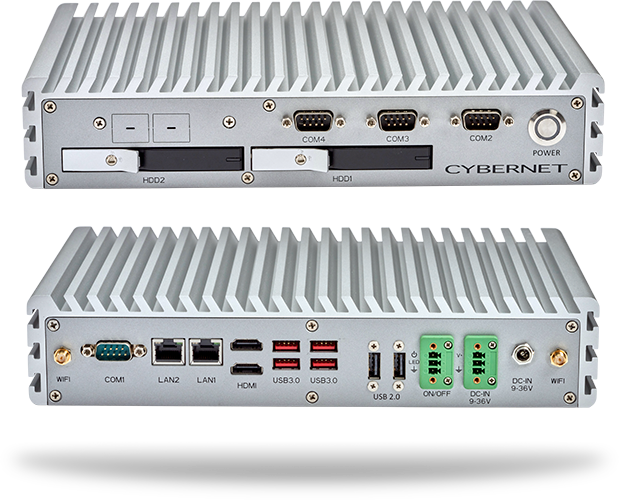
Even in a field that relies on bleeding-edge technology like oil & gas, there are still pieces of equipment that use legacy systems that were never designed with cloud computing in mind. While old and no longer widely supported, these systems are often critical to ongoing operations or too expensive to replace. To balance ongoing modernization efforts with the need to continue using the same tools, consider using rugged industrial computers with legacy I/O ports. These computers provide the processing power to support cloud-based programs while still interfacing with and gathering data from older machinery.
Training and Knowledge Base
Managing cloud-based systems effectively requires a dedicated skillset, one that oil and gas companies might not have on hand. Even with hosting provided by third-party vendors, businesses that use these technologies must ensure their workers are properly trained and educated to get the most out of them. Working with trusted vendors and consultants is critical for teaching a workforce to use these tools effectively at every stage of the production chain.
Embrace Cloud Computing with Cybernet Manufacturing
With demand for oil and gas only continuing to grow as power demand rises, companies in the sector must continue to improve their operations and find new deposits to exploit. Using cloud computing in the oil & gas industry will be critical to optimizing workflows and discovering new hydrocarbon sources.
If your company is looking to integrate cloud computing into its operations and needs hardware that can support this effort, contact Cybernet Manufacturing. Our line of rugged industrial computers and tablets is designed and manufactured for harsh work environments, such as those on oil platforms and in refineries, while still offering the full suite of modern tools and software compatibility.