We’ve all had the frustrating experience of trying to use a smartphone or tablet outdoors, only to have the screen obscured by reflected sunlight. In a typical civilian application, this is merely a nuisance. In industrial settings, however, maintaining screen brightness and visibility with a sunlight-readable display is critical to maintaining workflows and protecting health and safety.
How Can Screen Glare Affect Users?
At best, screen glare is simply irritating. At worst, it can actually contribute to serious health issues for workers and impede their productivity.
Visibility and Workflows
Obviously, a screen obscured by glare is more difficult to use, as you can’t see the information on display. It’s one thing to miss a friend’s text message, but it’s a far greater issue if a worker misses critical information because they can’t physically see it in the first place. In industrial settings, this could be a critical notification of a machine breaking down or exceeding safety tolerances, updated instructions from management, or cause them to enter the wrong command at their workstation computer. This can obviously have major ramifications in an industrial setting, where circumstances can drastically change in seconds and need to be responded to just as quickly.
Health and Comfort
Screen glare is a significant contributor to computer vision syndrome (also referred to as digital eyestrain). More than a simple headache or dry eyes, computer vision syndrome can cause serious neck and shoulder pain as users contort their bodies or adopt poor posture just to see through glare obscuring their screens. Preserving screen visibility is a critical aspect of computer ergonomics, which is increasingly vital given how essential computers are to modern workflows.
Why Does Screen Glare Occur?
Screen glare, or reflected glare, is different from direct glare and must be addressed separately. Direct glare is from light sources, such as overhead lights, exposed bulbs, or the sun itself shining into your eyes. Reflected glare occurs when light bounces off a glossy surface, such as the glass of a computer’s monitor or phone screen.
Direct glare can be countered through means such as taking shelter from the sun, putting shades on lights, or angling lamps so that they aren’t aimed directly at your face. Dealing with screen glare requires you to either modify the device being affected by glare or the source of the glare itself.
How Screen Brightness Counters Harsh Glare
Dealing with harsh glare in industrial settings is particularly tricky, as the source of glare is often impossible to address. This is because the source is typically either the sun, which is obviously impossible to change, or overhead lights used to illuminate the entire building, which are needed to safely light the entire work environment. These light sources cannot be easily adjusted or avoided.
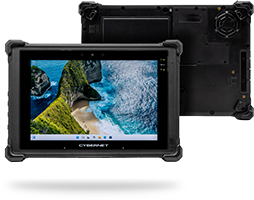
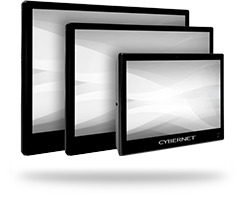
One of the simplest ways to make your screen more visible is to increase its brightness. While this does consume more power, a brighter monitor is able to match the light around it, reducing the contrast between them and making outside light sources less obvious on the screen. This is why outdoor tablets designed for use under direct sunlight will have very high screen brightness options to help counter this issue. Computer monitors and tablets use nits to measure how much light they emit, with most indoor devices averaging around 400 nits of brightness. Industrial computers and tablets intended for outdoor use should have a screen brightness of approximately 850 nits to maintain visibility.
There are other solutions for mitigating harsh light conditions, such as anti-glare filters, but these filters may not be the best option in an industrial setting. Anti-glare filters can be damaged or destroyed by exposure to chemicals, whether as part of the cleaning process or due to their operating environment. They can also be scratched or damaged by mishandling, which is a constant threat for tablets used in rough working conditions. High monitor brightness settings do not have these durability issues.
High-Visibility Tablets and Computers from Cybernet Manufacturing
A high monitor brightness is critical for devices in industrial settings, as it may be the only feasible solution for countering harsh glare in the work environment. Doing so helps companies ensure smooth operations and protect the health of their employees.
If your business needs industrial computers and tablets with high brightness options for their displays, contact Cybernet Manufacturing. We’d be happy to explore how our products can serve even in harsh lighting conditions, and how our qualifications as an OEM are uniquely suited to adapting them to your needs.