Modern healthcare practices focus on patient outcomes to guide providers and their efforts. The answer to the question of “how to improve patient outcomes” often lies in using modern technology, such as medical-grade computers, to their fullest extent.
Why Measure Patient Outcomes?
An outcome in healthcare is any change in a patient’s condition due to an intervention. An intervention is any form of care or treatment administered by the hospital or practice, such as a hospital stay, a new prescription, or surgery. By closely tracking outcomes such as readmission rates, patient satisfaction scores, and length of stay, healthcare providers know whether their efforts are working and improving the patient’s condition.
Beyond the patients themselves, measuring outcomes is critical for improving a healthcare group’s operations. If a patient goes to the hospital and has their condition quickly and effectively addressed, they are more likely to stick with that healthcare group and provider and to recommend them to others who need care.
On the other hand, if a patient goes to a hospital and only suffers negative outcomes like misdiagnoses or a hospital-acquired infection (HAI), they are far more likely to change treatment plans or providers. With enough negative outcomes, a group can even come under scrutiny by state and federal investigators for malpractice. Tracking outcomes and identifying points of failure in the treatment process is critical for preventing this scenario.
Improve Patient Outcomes Through Better Safety Measures
One of the best ways to prevent negative outcomes is to prioritize patient safety. By the World Health Organization’s estimates, 1 in every 10 patients is unnecessarily harmed during the care process. This harm usually occurs from safety failures, HAIs, misdiagnoses, or errors in recordkeeping. Following proper safety procedures, such as thoroughly cleaning and sterilizing equipment, using universally agreed-upon language between providers, and ensuring compatibility between electronic health records. These measures prevent errors from ever occurring, whether that’s a patient falling while trying to get out of bed or a septic infection.
Offer More Flexible Treatment Options
A key aspect for improving patient outcomes is meeting them on the terms that best serve them. Some patients, whether due to location, lack of transportation, or disability, may not be able to access care from conventional sources such as hospitals and clinics. Offering flexible treatment options such as telehealth, wearables to track their condition in real-time, or health kiosks in rural locations helps these disadvantaged patients get the care they need.
Ensure Communication and Continuity of Care
Better communication does not just apply to communication between providers (although that is absolutely a top priority), but also to communication between providers and patients. A patient who is better informed about their condition is less likely to harm themselves or repeat the mistakes that led to their current situation, such as a worker who injured their back from poor posture while lifting heavy objects.
Continuity of care is also critical for ensuring positive outcomes by ensuring that all of a patient’s providers are on the same page. For example, a clear summary report sent to other providers on the team keeps everyone up to date on what treatments the patient receives, which prevents different providers from doing the same work twice or prescribing medications that interact negatively with each other.
Utilize Data Analytics to Improve Patient Outcomes
Healthcare, like every other sector, can benefit greatly from data collection and analysis across its operations. Data analytics can look at factors like:
- How long does it take for a patient to see their provider after checking in?
- How much time are providers able to spend with their patients versus how much time is spent on paperwork?
- How much information about a patient’s condition is available in the EHR, and how much has to be obtained by asking the patient basic questions?
- What are the rates for mortality, readmission, and complications for different diseases? How do those rates compare to similar facilities?
Armed with this knowledge, healthcare groups can focus their efforts on addressing weaknesses in their treatment plans and strategies, optimize the patient experience to be faster and more personalized, and deliver better overall outcomes.
Support Your Staff
Without its staff, a hospital is just a building filled with expensive equipment no one can use. Supporting your workers with the tools, training, and resources that they need will pass these investments on to your patients as well, in more ways than just better treatment outcomes. Proper support takes the form of:
- A well-staffed workforce. This means more than just the various providers and nurses staffing your hospital (although they are absolutely a critical component). It also includes a wide range of support staff, from IT specialists who keep digital devices and tools running smoothly to recordkeeping and accounting staff who reduce the bureaucratic paperwork providers have to handle.
- Simplify interactions and reduce busywork. No one goes into healthcare because they want to spend hours every day filling out forms. In fact, “pajama time” is one of the most frequently cited reasons for burnout, as providers spend hours upon hours outside of work on administrative paperwork. Reducing this workload is critical for staff retention and satisfaction.
- Provide a healthy and safe work environment. Healthcare workers have some of the highest rates of workplace injuries and accidents out of any industry, often due to bad ergonomics or improper lifting techniques. Using ergonomically-friendly equipment helps prevent musculoskeletal disorders, while properly-staffed security services protect workers from violent patients and visitors.
These measures help ensure your workforce is happy, healthy, and productive, reducing turnover and improving the quality of their work. Thus, investing in your workers leads to better outcomes for your patients, who benefit directly from a workforce with a strong base of institutional knowledge and deep familiarity with their workflows.
Improve Patient Outcomes with Cybernet Manufacturing
Measuring and improving patient outcomes is a key metric for healthcare groups, as it is the best way to track the success or failure of their efforts. After all, if it doesn’t lead to a healthier population, why are they doing it in the first place?
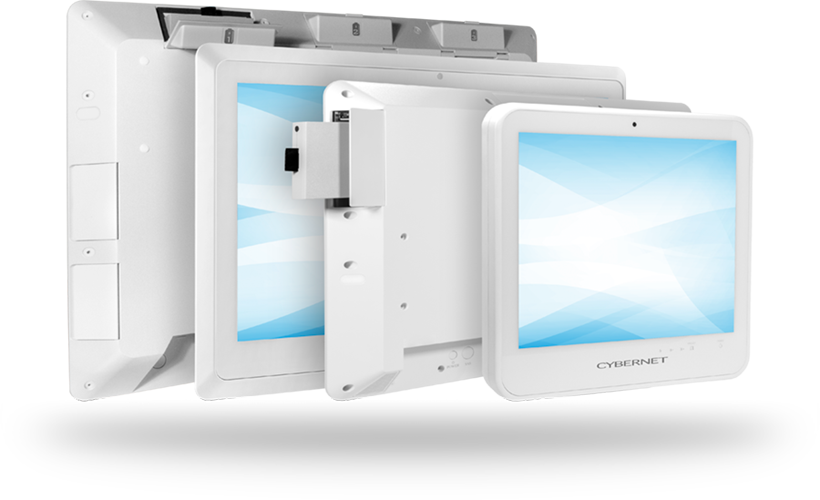
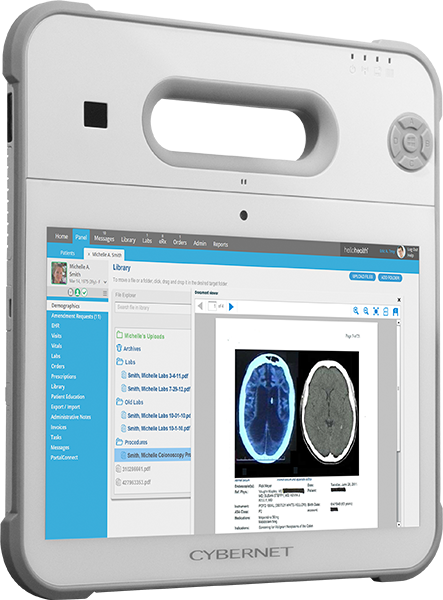
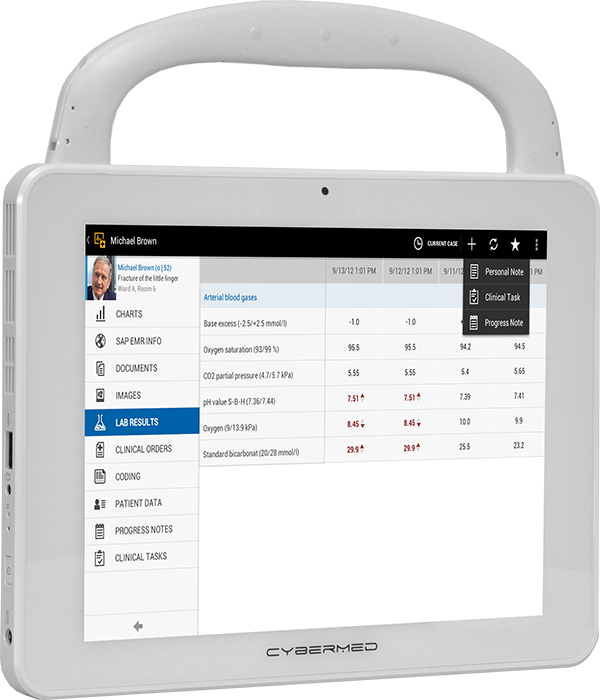
If you need medical-grade tablets or computers to support your efforts to improve patient outcomes, contact Cybernet Manufacturing. Designed to be easily cleaned and sterilized, our PCs help reduce HAIs, and their multitude of connectivity options make it easy to support a wide range of other devices and workflows.