With over 300 million surgeries performed every year, healthcare providers must take every step possible to ensure success. The best step for many surgical teams is to have the best possible equipment in the operating room. Understanding the most essential types of operating room equipment, along with their roles and requirements, is essential.
Requirements for Operating Room Equipment
Even in a low-stakes surgery with minimal impact, any error or equipment failure can have serious repercussions for the patient’s health. Therefore, operating room equipment must meet strict requirements for things like reliability, safety, and security. Some of the most critical requirements are:
Medical-Grade Certification
Obviously, any piece of equipment used in a medical environment should be tested and certified to be ready for such a role. For example, any electronic medical device used in an operating room should be certified to IEC 60601-1 standards for parameters like shock protection and electromagnetic interference. Meeting this standard helps prevent accidents and malfunctions from occurring, improving outcomes for patients. Similar standards exist for virtually every tool used in operating rooms.
Reliability
Along with safety certifications, operating room equipment needs to be as reliable as possible. After all, a breakdown or malfunction in the middle of a surgery could easily put the patient’s life at risk. Basic surgical equipment, like scalpels or forceps, must be inspected before every operation for any damage or flaws. More complex devices, such as ventilators or medical computers, need to have extremely low failure rates and undergo regular maintenance inspections to ensure their readiness.
Ease of Disinfection
While all equipment used in healthcare must be routinely cleaned and disinfected to prevent the spread of disease, operating room equipment is a top priority for this process. This is because operating room equipment is typically used close to (or in some cases, inside) a patient’s body when many of their immune system defenses are compromised, such as an open surgical site. Therefore, operating room equipment must be thoroughly sterilized before and after every operation, which in turn requires the equipment to withstand these processes. This means using materials that can withstand harsh cleaning chemicals and electronic devices with a high ingress protection rating to protect the vulnerable circuitry within from damage.
Cybersecurity
Hospital workflows, including those in the operating room, are increasingly reliant on digital technology to deliver better care. While using technology like electronic medical records and digital surgical plans helps teams be more precise during an operation, it also means they are more vulnerable to cybercrimes. If a malicious actor locks a hospital out of their EMR with ransomware, it can easily jeopardize the surgery. Protecting data and devices in healthcare, including operating room equipment, requires strong cybersecurity features such as access control and data encryption.
Core Operating Room Equipment
Core operating room equipment is essential for an operating room. While other devices will be added or removed depending on the needs of the operation, the following equipment should be considered essential:
- Surgical Instruments: During an operation, surgeons rely on a wide range of tools to perform procedures, such as scalpels to make incisions, forceps to grip tissue, needles and sutures to stitch wounds closed, and more.
- Operating Tables: Operating tables keep the patient supported and in place during surgery and are designed to be adjustable and modular. This makes it easier to position patients in various ways to make it easier to access the surgical site, making the surgery easier and more accessible. While many surgery tables are general-purpose, specialized designs for fields like orthopedics and neurology are also available.
- Surgical Lights: Obviously, surgeons need to be able to see what they’re working on. Surgical lights provide the illumination needed to see a surgical site in full detail, eliminating shadows without causing so much glare that they obscure the site itself. Modern surgical lights use LED technology, which lasts longer and emits less heat.
- Anesthesia Machines: Anesthesia machines place patients in a controlled state of unconsciousness through the careful application of anesthetic gases. An anesthesia cart carries everything needed to control this process, including the machine itself, medical-grade monitors, control interfaces, and early warning systems that can detect if the patient develops any sudden complications.
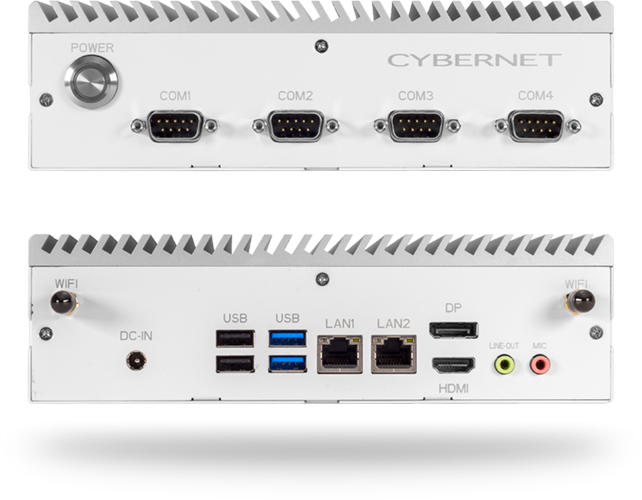
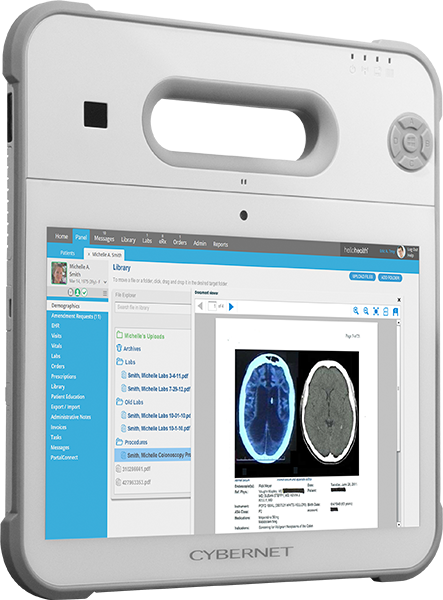
Medical Computers and Displays: As noted earlier, medical computers and monitors are critical to many surgical procedures. Teams use these devices to track a patient’s vital signs and monitor equipment, follow procedure steps to the letter, and display information from devices such as endoscopic cameras. These computers are also critical for implementing bleeding-edge technologies such as AI and the Internet of Things.
Supporting Operating Room Equipment
Depending on the procedure, additional supporting equipment may also be present in the operating room during surgery. This equipment often plays a more indirect but still vital role for success, and includes:
- Surgical Scrub Sinks: Surgical teams use these sinks to clean and disinfect their arms and hands, reducing the chances of transmitting pathogens to their patients.
- Storage and Mobility Solutions: Storage units such as cases, cabinets, and surgical carts are ideal for storing equipment and consumables efficiently and ergonomically. This lets surgical teams access what they need without spending time searching for it.
- Warming and Cooling Units: While under anesthesia, a patient’s body temperature can rapidly drop, in a condition known as perioperative hypothermia, putting them at risk for infection and a longer recovery. During some operations, such as those involving the heart and lungs, it may also be necessary to cool parts of the patient’s body. To accomplish this, surgical teams use equipment such as warming/cooling blankets connected to closed water circuits.
- Stools and Seats: While some surgeries can be accomplished quickly, others can last for hours on end. For these longer procedures, giving surgeons something to sit on can help prevent fatigue and discomfort, reducing the chances of them making a mistake during the operation.
- Disposal Storage: Any biological material removed during surgery (such as cancerous tumors or infected tissues) or consumable items used during the procedure must be carefully disposed of to prevent the spread of disease. More than a simple wastebasket, these disposal units are designed to safely contain potentially hazardous material until it can be properly destroyed.
Support Operating Rooms with Cybernet Manufacturing
The operating room is one of the most important parts of a hospital’s efforts, making it critical that you properly stock and support it with reliable, high-quality medical equipment. From the scalpel to the computer, every device and tool must be thoroughly inspected and rigorously maintained to ensure performance.
Need reliable and powerful medical computers for your operating room? Contact Cybernet Manufacturing. Our range of medical all-in-one computers, mini PCs, and tablets is perfect for supporting surgical teams thanks to their abundant processing power, durable construction, and specialized medical-grade certification.