Any manufactured product, no matter how simple or complex, relies on multiple different components working together seamlessly. To manage this list of components, manufacturers will assemble a bill of materials, allowing them to more easily track and verify each individual part.
However, adhering to the bill of materials is critical, especially for more complicated equipment such as industrial-grade computers. Failing to do so can lead to serious compatibility and reliability issues later down the road.
What is the Bill of Materials (BOM)?
A bill of materials (BOM) consists of the full list of components used in a finished product. It also sometimes includes instructions for manufacturing or repairing the product.
It’s important to understand that a bill of materials is far more detailed and specific than a recipe’s list of ingredients. A good BOM will specify not just what parts are used and how many, but also the manufacturer's name, the specific part number within their system, the specific part number within the distributor’s system, lead times for purchasing replacements, and whether there are any viable alternatives to this specific part.
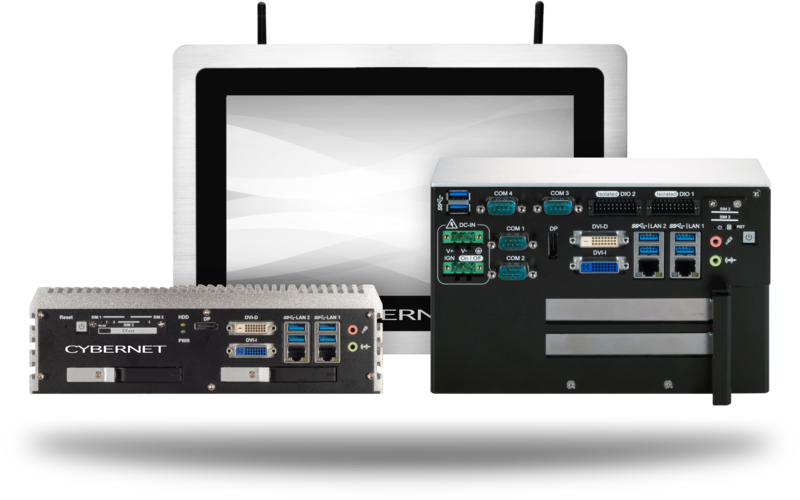
For example, the bill of materials for an industrial computer will include every component used to assemble it, from the screws that hold its case together to the case sections themselves, to the CPU and other electronic components. This attention to detail provides the rugged reliability that industrial computers need.
Why is a Bill of Materials Necessary for Industrial Computers?
There are two aspects to using a bill of materials in any context: the organizational benefits of a BOM, and the ways a BOM helps meet the operational necessities a product faces.
Organizational Benefits
First and foremost, a well-maintained BOM is critical for any responsible manufacturer to use. Tracking how many components are used per finished product, who produces them, and how long it takes to source them is critical to managing an effective manufacturing process. Without an accurate BOM, procurement teams could order too few or too many of a particular component, or versions of that component that do not match the end-product’s specifications. These failures lead to halted production, defective products, and a disastrous impact on the company’s bottom line.
Operational Necessities
Outside of the manufacturer’s own efforts, adhering to the BOM can be absolutely essential for devices in high-risk, high-stakes environments. It’s one thing if the screws for a TV remote fall out because they have the wrong threading; it’s entirely another if an industrial computer controlling expensive machinery fails.
If a manufacturer ignores their BOM, it can introduce severe weaknesses or failure points by using substandard materials or components that do not meet regulatory standards for factors like vibration resistance or drop protection. For example, just because a replacement screw has the right size or threading doesn’t mean it’s up to standard for those parameters and might fail or break under stress.
Trying to use these inadequate parts can lead to a dramatic failure at the worst possible time. You may also run into compatibility issues, such as your industrial computer’s hardware not supporting certain software that it previously did because you replaced the CPU.
Thus, sticking to the BOM and only using components that are on that list because they have been tested and verified under recognized standards like IEC 60068 is a necessity. Without this adherence, you cannot be certain of the reliability or compatibility of your devices.

How to Adhere Closely to the BOM on Your Computers
If you are a manufacturer or other type of end-user in the industrial sector, you cannot afford to have defective or insufficient equipment, especially on something like a computer that manages multiple processes or other devices. Ignoring and violating the BOM is one of the quickest ways to introduce those defects or insufficiencies. So, how do you keep this from happening?
Work with an OEM
One of the best ways to ensure BOM adherence is to work with an original equipment manufacturer (OEM). Unlike resellers and retailers, an OEM exercises full control over its production process, meaning it can better ensure it only uses industrial-grade components on its products.
If they need to make a change to their assembly process or the parts used that might affect a device’s durability, an OEM is best equipped to notify customers of this change, which resellers and retailers might be unable to do because they do not control the production process and are thus unaware of such changes. They are also best equipped to test and recertify the device to ensure it still meets critical reliability and ruggedness standards.
The other major advantage of working with an OEM is that they can customize their products to better match the end-user’s needs. For industrial computers, this might mean installing an anti-glare filter on your industrial panel PC to counter harsh lighting or including specific I/O ports to ensure connectivity with your machinery.
Rely on First-Party Technical Support
When something breaks down, it can be tempting to take the quickest and easiest solution for getting it repaired, which often means in-house IT teams or independent services. However, these teams and services do not have access to the original BOM, meaning they may wind up using replacement parts that, as we’ve discussed, could be insufficient for the task.
A better option is to contact your vendor for their first-party support and repair services. They will have the in-house expertise, access to the correct tooling, and original components needed to restore a broken device to full functionality, as if it had just left the assembly line.
Maintain BOM Compliance with Cybernet Manufacturing
Sticking to a bill of materials is an absolute necessity for both manufacturers and end-users. Any deviation or change can introduce unexpected weaknesses or compatibility issues that undermine a device’s effectiveness and reliability. Strict adherence to the BOM requires working closely with the original manufacturer to ensure there are no unannounced changes or alterations that dramatically alter the functionality of your tools.
Need a partner that can stick to their BOM without flinching? Contact the experts at Cybernet Manufacturing to explore our production process and methods and see how they can support your own business. Our decades of experience designing, testing, and manufacturing industrial PCs, combined with our complete control over our manufacturing process, enable us to produce industrial-grade computers with a 0.5% failure rate, giving you much-needed peace of mind in your factory, warehouse, or construction site.