Most computers experience work cycles identical to those of their users: a normal workshift, followed by a period of downtime. However, some computers face 24/7 workloads, often in mission-critical roles in high-stakes environments like the medical and industrial sectors. Preparing computers for 24/7 operation is a serious challenge, as there are major hurdles for these devices to overcome. Understanding these hurdles and how they are overcome is critical for using computers in such challenging conditions.
Thermal Management
One of the first concerns for designing a computer is thermal management and keeping the device cool. If a computer is going to run constantly, it also needs to constantly cool its components, primarily the CPU (as well as the GPU if it has one). Without strong cooling measures, a PC will eventually overheat and either throttle its performance to reduce heat generation or damage itself.
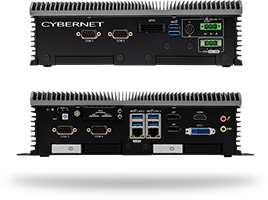
However, most PC cooling systems are not well-suited in computers for 24/7 operations. This is because these systems, such as spinning fans and fluid pumps, rely on moving parts that are vulnerable to mechanical failure, which then compromises the entire computer. A computer that will be used 24/7, such as a medical computer managing life-sustaining equipment, should be equipped with fanless cooling solutions that avoid this obvious weakness. Otherwise, you may find your device failing at the worst moment possible.
Mechanical Wear and Tear
Aside from the cooling system, other components in a computer are also susceptible to mechanical failure, especially if they have to operate 24/7. The most common failure points are hard disk drive platters and CD drive motors; these components must constantly spin and move during operation, which naturally wears down their components. While this wear and tear is lessened by a typical operational schedule, a 24/7 workload means these parts wear out that much more quickly and are much more likely to fail at the worst moment possible.
The solution for this issue is obviously to not use these components in the first place. Hard disk drives can be replaced with solid-state drives, which are also much faster on top of being more reliable. CD drives are also being phased out of service in many roles as operators transition to wireless downloads and cloud computing solutions rather than relying on physical data storage mediums to transfer information from one device to another.
No Time For Maintenance and Repairs
The need for high-grade and durable components in computers operating 24/7 becomes even more important when you realize this simple fact: there may never be a good time to repair the device in question. An industrial computer working on an oil rig may be in charge of vital processes on the rig, to the point that taking the computer down for maintenance may be expensive, unsafe, or some combination thereof. While most operators are responsible enough to install redundancies or safeguards in the event of a device failure, taking a 24/7 computer down for maintenance is still a costly and time-consuming decision. Therefore, any computer in such a role needs to be as rugged and reliable as possible, so that such a decision never needs to be made in the first place.

Power Supply Interruptions
One of the key concerns for any digital workflow that must operate continuously is the power supply. If a power outage occurs, it could have disastrous consequences for anything that the computer is connected to. For example, if a medical computer controlling a ventilator loses power, it could put that patient’s life at risk.
To address this issue, many computers designed for 24/7 workloads include an internal battery that continues to power the system even if the main supply is interrupted, such as during a blackout. These internal batteries server as an uninterruptable power supply and are not intended to keep the computer running indefinitely, but they are sufficient to keep the device powered until backup measures kick in (such as a hospital’s emergency generators).
Performance Degradation
One common issue for computers in constant operation is a memory leak. This is when a computer allocates memory to a program, but the program fails to free it when it is done using that memory. Over time, this “leaked” memory accumulates, leaving fewer resources available to programs that actually need it, causing overall performance to suffer. For typical computers, memory leaks are often resolved by shutting the computer down, which wipes the volatile memory clean and closes the leak (or at least until the problematic program starts up again).
However, a computer used for 24/7 operations rarely shuts down, so a memory leak can accumulate and consume more and more memory. This can lead to worse and worse performance for the PC, until it eventually becomes all but unusable. The best way to prevent memory leaks is to use programs written with coding languages like Java and Python, which automatically detect if allocated memory is not being used properly. Many operating systems include tools such as Windows Performance Monitor that can show how much of a computer’s resources each program uses, letting the end-user check if there’s a reason why their device seems so slow.
Computers for 24/7 Operations from Cybernet Manufacturing
Handling a 24/7 workload can be one of the greatest challenges a computer can face, doubly so considering how crucial operations associated with this kind of workload can be. To meet this challenge, any computer intended for 24/7 operations must be designed and engineered to be as reliable as possible.
If your company or healthcare group needs computers capable of 24/7 operations without breaking down, contact Cybernet Manufacturing. Our commitment to quality and rigorous testing ensures our devices boast a failure rate of below 0.5% per year, making them some of the most reliable products you can trust in the medical and industrial sectors.