Hospitals rely on a variety of carts to dispense medication, track patient records, and deliver care. One of the most essential types of carts is the anesthesia cart, which carries all the necessary components for delivering anesthetics during surgery. This anesthesia cart guide will help you understand their role and the qualities they need to possess.
What is an Anesthesia Cart?
As previously mentioned, an anesthesia cart is a type of medical cart that safely stores and transports anesthetic supplies from one operating room to another, letting surgical teams use these vital tools where they are needed the most.
An anesthesia cart consists of:
- The cart itself, often made out of a combination of metal alloys and plastics.
- The anesthesia machine, which controls the mixture and administration of anesthetic gases during surgery.
- A medical computer or monitor used to display information gathered by the anesthesia machine and control how much gas it administers.
- Lockers and equipment storage for tools used during surgery, such as laryngoscopes, syringes, airway devices, and endotracheal tubes.
- A power supply to keep the machine running during operations. This usually takes the form of a battery mounted on the cart or a plug for use in a wall outlet.
Critical Aspects for Purchasing an Anesthesia Cart
When shopping for an anesthesia cart, there are specific priorities to consider before making a purchase. This anesthesia cart guide covers the most critical priorities, including:
Durability
Hospitals require an extremely high degree of reliability from their equipment. If something on the cart breaks, be it the machine, the computer controlling it, or the cart itself, it could jeopardize the surgery and the patient’s life. For carts, look for designs that use stronger metal alloys, such as steel, for any stress-bearing components or assemblies. Some designs will use lighter (but weaker) materials such as aluminum or plastic to lower the cart’s weight, but compromise on its resilience in the process.
Easy to Clean
Any piece of equipment, regardless of size, must be regularly cleaned and disinfected to prevent the spread of hospital-acquired infections (HAIs). Anesthesia cartsare no exception to this rule and should be designed with this requirement in mind. This means having surfaces that are easily accessible and don’t require workers to reach or strain to clean every section.
Security (Physical and Cyber)
Security, in both the physical and cyber sense, is increasingly critical for healthcare. In the physical world, many anesthetic drugs are controlled substances that could be easily misused if stolen. These drugs should be stored inside locked drawers on the cart that are only unlocked while in use. Any computers used on the cart should also boast a suite of cybersecurity features, such as access control methods and data encryption.
Battery Life
If your anesthesia cart relies on a battery-powered medical computer, you will want a solution with long battery life. Modern lithium-ion batteries are the best option, as they hold a charge for longer than older lead-acid alternatives. Hot-swappable batteries are especially useful, as they can be exchanged on the fly with fresh replacements.
Weight and Mobility
While they aren’t constantly on the move like other types of medical carts, an anesthesia cart’s weight and mobility options are still a concern for healthcare providers. While stress-bearing components should be made of metal, other parts of the cart should be made of lighter materials like aluminum and plastic to reduce overall weight. The cart’s wheels should also be evenly spaced out to distribute said weight and make it easier to handle.
Ergonomics
Any heavy piece of equipment, such as an anesthesia cart, needs to include ergonomic design features for its users. This includes handles that are easy to grip, allowing providers to push and pull the cart wherever it’s needed. The cart’s height should also be adjustable, so that providers of all heights and body types can use it comfortably during their workflows. Reducing the cart’s weight also helps prevent musculoskeletal disorders, one of the most common types of workplace injuries among healthcare providers.
Computer Compatibility
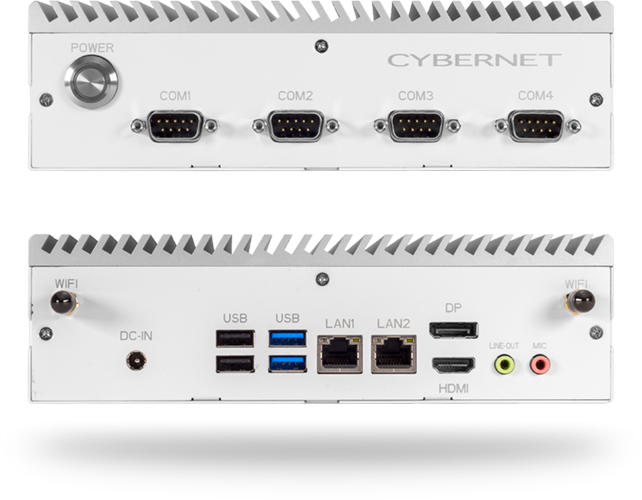
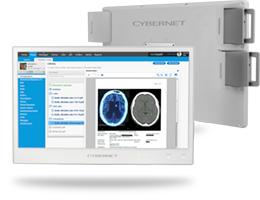
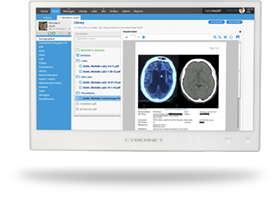
Given the prevalence of standard medical computers in modern healthcare workflows, anesthesia carts must be designed to be compatible with them. This includes space on the cart for the computer itself, monitors, keyboards and mice, and other necessary peripherals. One way to reduce these space requirements is to use an all-in-one medical PC with touchscreen controls. These devices combine a computer and monitor into a single unit, and the touchscreen eliminates the need for a mouse and keyboard, saving space on the cart for other machinery and equipment. No matter which computer you choose, ensure it meets essential healthcare regulations, such as IEC 60601-1 and HIPAA.
Support Anesthesia Carts with Cybernet Manufacturing
An anesthesia cart is a critical component of any operating room, making the use and support of these devices paramount. If you need robust and reliable medical computers for your anesthesia carts, contact Cybernet Manufacturing. We’d be more than happy to explore various computer and cart combinations with you to find the solution that best fits your needs.