At the risk of resorting to a cliché, every patient is unique. The same disease can manifest in different ways and have different symptoms in two different patients, making a one-size-fits-all approach to treatment ineffective.
Historically, developing in-depth, custom treatment plans for every individual patient has been too time-consuming and expensive to be practical. Modern technology, from wearable health devices to genomic sequencing on medical computers, is making personalized healthcare increasingly viable.
What is Personalized Healthcare?
Personalized healthcare is a treatment strategy that focuses on creating a unique plan that is customized to the exact needs of that particular patient.
Every treatment is tailored to the individual to some extent; for example, anesthesiologists must administer a precise amount of anesthetics during surgery based on a patient's age, body weight, and other factors to keep them unconscious without causing harm. Personalized healthcare goes further, however, by using the patient’s personal background, family history, and genetic markers to anticipate potential issues and address them before they become serious concerns.
Historical Challenges for Personalized Healthcare
While a worthy ideal, personalized healthcare has historically been too impractical to pursue for most patients. Only those with the time and resources to dedicate to their health could afford to, forcing the general population to rely on more generic solutions.
Time and Cost
Obviously, the first hurdle for personalized healthcare is the broad range of experts required to develop a personalized healthcare plan. Each expert needs time with the patient to examine them, diagnose potential conditions, and prescribe treatments. Obviously, those healthcare providers also need to be compensated for their time, creating a process that is slow, expensive, and simply impractical for most normal people.
Difficulty of Gathering Information
Much of personalized medicine relies on gathering information about a patient’s family history and personal genetics to predict potential health issues. For prior generations, this simply wasn’t an option because comprehensive health records and the technology we use for genetic sequencing weren't available.
Only modern advances in record-keeping (both physical and electronic) and personal genome sequencing make truly personalized healthcare possible.
Data Privacy and Security
A more modern issue for personalized healthcare is the security and privacy measures needed to protect deeply personal health information. If cybercriminals get their hands on this kind of information, it can have disastrous consequences for the individual.
Data security is a critical responsibility that healthcare groups must take seriously, especially when working with the highly detailed information that personalized healthcare requires. This includes following HIPAA regulations for encryption and access control, and only using medical-grade computers that can meet these requirements.
New Technologies Enabling Personalized Healthcare
Recent technological innovations have made personalized medicine not just viable, but preferable for patients with unique or challenging conditions.
Biometric Monitoring and Bedside Data Gathering
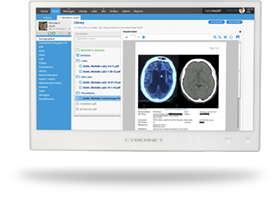
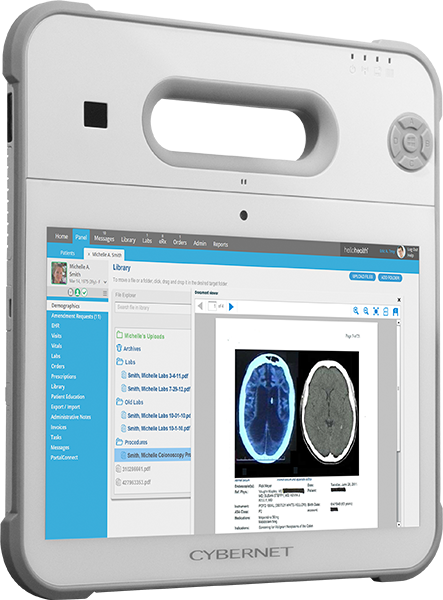
Personalized healthcare often requires constant monitoring of factors like sleep schedule, heart rate, blood sugar levels, physical activity, and mental state. Healthcare providers obviously can’t sit at a patient’s bedside 24/7, so they need an automated solution like a medical tablet to gather this information from various monitoring devices.
Rather than rely on consumer-grade devices that create disinfection and battery downtime issues, hospital systems can rely on medical-grade tablets equipped with hot-swappable batteries, IP-sealed casings that are easy to clean and sterilize, and access control methods for cybersecurity.
DNA Sequencing and Genomics
Modern medicine now understands that much of a person’s health comes down to their unique genetic sequence. Certain genes can make a patient more susceptible to a vast range of physical and mental conditions, making early identification critical.
For example, genes such as LDLR, APOB, and ABCG5 have all been identified as contributing to severe hypercholesterolemia, the excessive build-up of cholesterol in the bloodstream, which can lead to heart attack or stroke. By identifying these genes early, providers and patients can act sooner to address them through lifestyle changes and preventive medication. As DNA sequencing becomes easier and more affordable, it becomes that much easier to develop personalized plans based on a patient’s unique genetic disposition.
Artificial Intelligence
The process of developing a personalized health plan involves colossal amounts of data, far too much for a single human mind to comprehend. Artificial intelligence can be used to analyze all data available, including symptoms, test results, medical history, and genomic information at the same time to draw conclusions and offer treatment plans.
While the technology is still new and can make mistakes, AI can, with the supervision of experienced healthcare providers, develop personalized treatment plans in a fraction of the time and with far fewer personnel required.
Precision Drug Development
Precision drugs (also called individualized therapeutics) are drugs designed to treat a specific individual’s case, rather than rely on drugs designed for the average patient. Healthcare providers have long known how beneficial this technology could be, but have struggled to achieve it because of the cost and time investment required for drug development.
To overcome this hurdle and make precision drugs possible for more patients, research groups and pharmaceutical companies are embracing new technologies like bacteriophage therapy, gene-based therapies, and generative AI for drug discovery to develop tailor-made solutions faster and more affordably.
Personalized Healthcare’s Benefits
Despite the costs and challenges associated with it, personalized healthcare is still being pursued thanks to the sheer benefits it offers both patients and the healthcare systems that serve them.
Better Outcomes, Faster Treatment
Most importantly, personalized treatments deliver better outcomes more quickly than generic “one-size-fits-all” approaches. Tailor-made pharmaceuticals can achieve better results with fewer side effects, reducing discomfort and lowering the chance that patients will refuse to take their medication.
Personalized healthcare plans are also easier for patients to integrate into their routine because they keep patients and providers aligned on health needs, preferences, and goals. A patient struggling with weight loss can work closely with their providers to establish exercise and dietary goals, rather than rely on generic “do more, eat less” advice.
Improved Disease Detection
A personalized healthcare plan can help both patients and their providers detect the early warning signs of disease sooner, before it becomes a life-threatening issue. For example, if a patient knows their family has a history of heart disease, they will know to watch for early symptoms like shortness of breath, fatigue, or chest pain and tell their provider if they occur.
Wireless and wearable devices are a major improvement on this front as well; these devices can detect imperceptible changes in a patient’s condition, like heart rate or hormone levels, giving providers deeper insight into their patients’ condition.
Reduced Use of Resources
Healthcare processes can be notoriously time-consuming and redundant, leaving patients tired and frustrated and forcing providers to do work that is ultimately unnecessary. With a personalized approach, providers can eliminate unneeded tests and avoid incorrect diagnoses, reducing time spent in the hospital and the amount of resources providers spend on trying to treat their patients.
While processes like genomic sequencing might require more time and money upfront, they save on these factors in the long run by giving providers a deeper understanding of their patients to work with from the very start. This allows providers to get to effective solutions faster, reducing overall costs and letting providers treat more patients in the same amount of time.
Power Personalized Medicine with Cybernet Manufacturing
Transitioning from standard treatment practices to personalized approaches requires an IT foundation that offers both processing power and medical-grade reliability and safety. Processing genomic sequence data, running real-time diagnostic AI, and maintaining HIPAA compliance cannot be done with off-the-shelf commercial PCs.
Cybernet Manufacturing designs purpose-built computer hardware engineered specifically for these roles.
- Edge AI & High-Throughput Processing: High-performance edge AI PCs equipped with dedicated GPUs can handle local machine learning inference and medical imaging.
- Infection Control & Patient Safety: Fanless designs and IP65-sealed front bezels tested to IEC 60601-1/-2 standards.
- Hardware-Level Security: Integrated Imprivata SSO and RFID-based access control protect private health information.
Discover how Cybernet’s medical-grade workstations, tablets, and OEM computing platforms power the next era of individualized medicine.
Explore Medical Computing Solutions | Request a Consultation With an Engineer