Electricity is the lifeblood of modern society. It lights and warms our homes, powers our industry, and is the reason you can read this article in the first place. But modern demands for electricity are placing a greater strain than ever on the power grid, and aging infrastructure leads to rising costs and unpredictable outages.
To meet the ever-growing need for power, operators and utility companies must modernize and invest in smart grid technologies, supported by rugged industrial computers, to better manage distribution and consumption.
Current Power Grid Challenges
Power grids in the United States and around the world face challenges on two fronts: surging demand for electricity and components used well beyond their intended lifespan. On top of that, continuing concerns about pollution and waste
Rising Demand
The most obvious and most pressing issue modern power grids face is the growing need for electricity, which is driven by two primary factors:
- The trend of electrification, where vehicles and machinery switch from gas-powered internal combustion engines to purely electrical solutions. While end-users gain numerous advantages for doing so, this shift increases demand on power grids to keep them charged and running.
- The ongoing data center buildout to support AI technology. While only 1.5% of electricity consumption in 2024, it has grown at 12% per year for five years in a row and shows no signs of slowing down. Data centers place extremely heavy demand on local power grids, which can spike utility bills for nearby residents.
Aging Infrastructure
Much of the American electric grid was built 50 to 75 years ago. This puts many components well past their intended service lifespan, leading to more frequent outages, higher maintenance costs, and less efficient operations. Their more centralized infrastructure also means that when an outage occurs, more people are affected. They also lack critical security features against cyberattacks and cannot support modern processes like…
Optimization and Forecasting
Data analytics and forecasting future demand are useful tools for any industry or service that involves the consumption of resources (or, in other words, all of them). Older power infrastructure and traditional mechanical meters for homes and businesses cannot support the digital software used for analytics and demand forecasting. This leaves utility companies less informed and unable to accurately predict for their future operations.
Pollution Concerns
Competing with the need for more electricity is the issue of pollution. We need more power, but conventional sources like coal- and gas-powered generators spew pollution into the atmosphere, creating health issues for anyone living nearby and contributing to global climate change.
Clean energy solutions like wind and solar are an alternative, but face hurdles of their own, such as installation costs and a dependence on outside factors (i.e., favorable winds and sunlight).
Smart Grid Technologies Making a Difference
“Smart grid technology” is an umbrella term for new tools and software that give power companies better control over the generation, transmission, and distribution of electricity, along with deeper insight into how much electricity is consumed, when, and by whom. Major examples of smart grid technology include:
- Smart Meters: These electronic devices replace the old mechanical meters for recording electricity usage and can send this information in real time to both consumers and suppliers.
- Phasor Measurement Units (PMUs): PMUs are used to monitor electrical waves and record voltage and current over a period of time. Power companies use PMUs to monitor grid performance, helping them manage the flow of power and identify breakdowns.
- Distributed Energy Resources: This category covers localized energy production, such as rooftop solar panels for homes and businesses. In addition to reducing strain on the broader grid, these smaller “microgrids” can continue providing power to their associated buildings even if the broader grid suffers an outage.
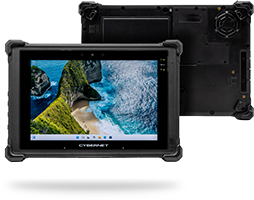
- Communication Networks: Workers in the field and at the power plant need secure, reliable means of communicating with each other, such as rugged industrial tablets that can support video calls and data transfers.
- Intelligent Automation: Automated systems reduce workload for employees by automatically handling aspects of the power grid, such as generation and transmission based on both current demand and historical trends. This helps prevent both under- and over-production of power and makes operations more efficient.
- Energy Storage: Storing energy during periods of low demand and high production by variable renewable sources (i.e., wind and solar) helps reduce the impact of peak demand periods. This typically takes the form of more efficient lithium-ion batteries, but more unconventional options like using electric vehicles as impromptu storage, chemical-based solutions, and pumped-storage hydropower are available as well.
Benefits of Smart Grid Technology and Modernization
Municipal and private power grid operators can make massive gains with modernized smart grids, with the most important advantages being:
Cost Savings
The cost of energy is a constant concern for both providers and consumers. Smart grid technology can track usage more accurately, helping homes and businesses identify when they use the most power and need to cut back. Studies suggest that consumers use 5-10% less energy just from being informed of their own usage via smart meters.
Improved grid management systems also help power companies optimize operations by matching generation to moment-to-moment demand and enabling preventive maintenance, sparing companies from expensive, unexpected downtime. This lowers operating costs, which companies can reinvest into their operations or pass on to customers.
Flexible Distribution and Management
Smart grid systems can more easily integrate renewable and distributed energy resources, such as wind, solar, and long-term storage solutions. This makes it easier for power companies to draw on whichever source is most practical in that given moment.
For example, on a particularly bright and sunny day, a smart grid system can reduce output at the local power plant and instead draw from solar panels. Smart grid systems can do so automatically without requiring human input and route any excess energy to storage for a cloudy day in the future.
Improved Grid Resilience
A power grid system centralized around a single major power plant or transformer is far more vulnerable to disruptions and outages. Smart grid systems encourage more decentralized systems that are more resilient against disruption. If a breakdown takes the power plant offline, operators can draw from storage solutions or renewable sources, maintaining overall output.
Modern Cybersecurity Measures
Power grids are a prime target for criminals and state-sponsored actors, a threat older systems simply aren’t prepared for. Modern industrial computers that support smart grid systems include cybersecurity features like access controls and built-in encryption, helping them identify, counter, or mitigate these threats.
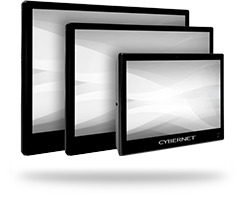
Modernize Your Grid with Cybernet Computers
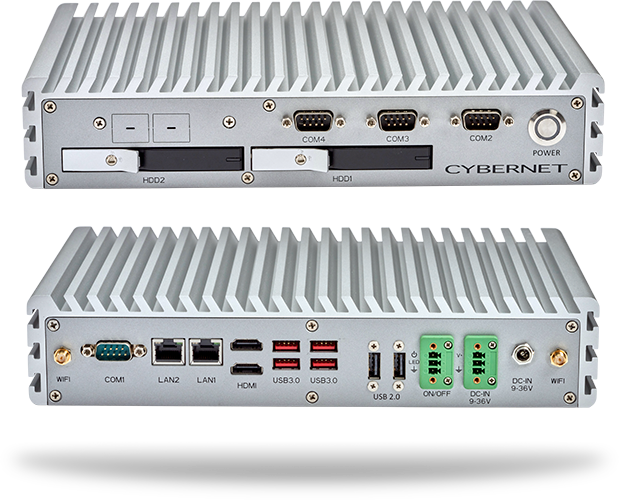
We cannot avoid the necessity of electricity, but we can choose how we generate and distribute it. Smart grid systems running on rugged, reliable industrial computers capable of 24/7 operations deliver electricity more efficiently and reliably, ensuring we have power when we need it the most.
If you’re in the process of upgrading your local grid’s systems and need a custom-fit computer solution to support it, talk to our experts today. With decades of experience as an OEM and in developing customized computers for harsh work environments, we can tailor our products to your specific needs, with a failure rate below 0.5% to ensure reliability.