Sewer systems are an unappreciated but critical aspect of civic infrastructure, responsible for some of the greatest improvements in human health and quality of life in the industrial era. But like every other piece of infrastructure, sewer systems face challenges such as overflows, equipment failure, and pollution entering local water systems.
Modern solutions take the form of smart sewer system technology, which relies on rugged industrial computers and networks of sensors to monitor every aspect of the system’s operations. These smart sewer systems can help municipal managers and operators detect equipment failures and blockages before they become a costly and potentially dangerous incident.
Common Challenges and Failure Points for Sewer Systems
The most common types of failure in a sewer system (both sanitary and stormwater), are:
Overflow
The last thing any civic plumber wants to hear is the word “overflow.” This means that the sewer system has backed up enough that sewage or stormwater has flowed out of the sewer system and into the surrounding area, whether through an overwhelmed manhole or a backed-up storm drain. Overflow is a serious public health and safety concern, and the most common repercussion of other failures in the sewer system.
Blockages
Blockages occur in both sanitary and stormwater sewer systems when debris accumulates and stops water from flowing where it needs to. Whether this is because of grease accumulation, garbage that gets flushed down the toilet rather than thrown out, or leaves and branches getting washed into a storm drain, the result is the same.
Pump Breakdown
While most water flow in a sewer system is encouraged by gravity, pumps are also used to move water uphill when necessary. If a pump breaks down without warning, it can lead to a messy, expensive repair job and potential overflow, as water can no longer flow where it needs to.
Leakage and Pollution
Sanitary and stormwater systems are both concerned with leaks and pollution, but from different angles: sanitary systems must contain potential pollutants within them, while stormwater systems aim to keep them out.
If a failure occurs on either front, it can have disastrous consequences on the local water system and the health of any humans, plant life, and wildlife that depend on it. Various bacteria and chemicals can be found in sanitary systems and cannot be allowed to leak into the soil or water table. Stormwater systems are primarily concerned with toxic chemicals getting dumped down drains and poisoning water as it flows into the closest lake or river.
Smart Sewer System Technology
Like other industrial roles, sewer systems can benefit from smart technology systems, such as the Internet of Things (IoT) and edge computing, to better manage their workflows. The most critical parts of a smart sewer system include:
Sensors
Sensors serve as the eyes and ears of a sewer management team, gathering data on the system’s various functions and flagging any anomalous activity. The most common sensors sewer management uses are:
- Level: Measures the water level inside the system. Abnormally high levels can indicate a potential blockage in the system.
- Water Quality: Monitors water for chemical and biological markers. Indicates whether treatment processes are working and can detect any illegal dumping into stormwater systems.
- Soil Status: Similar to water quality sensors, these devices are buried in the earth around sewer pipes and detect if water is leaking from the pipes and into the soil.
- Flow Rate: Tracks how much water flows through the system and how quickly. If an unsafe amount of water is passing through the system, controllers can divert it and prevent overload.
- Pump Status: Watches over the status of pumps used to move water through the sewer system. These sensors detect early warning signs of mechanical failure and alert staff, preventing an unexpected breakdown.

Control Systems
Data collection is only half of the equation, however. Advances in computer technology mean that workers can remotely control much of the sewer system’s functions, such as flow direction, speed, and pump status, without ever having to leave the comfort of the office. This spares workers from manually performing messy, sometimes dangerous tasks.
Industrial Computers
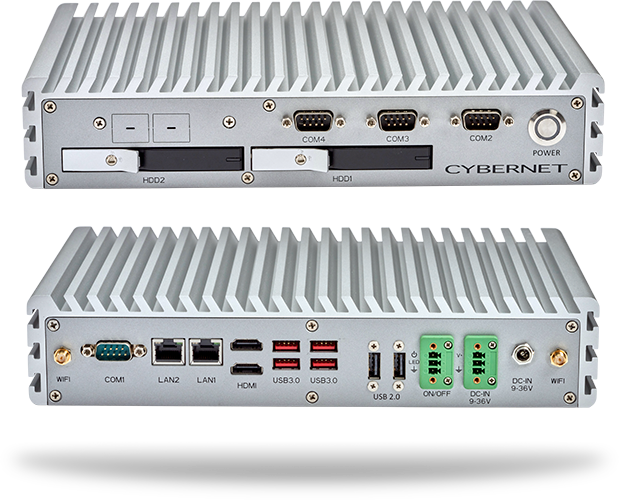
Industrial-grade computers are the brains of the operation for any smart sewer system, gathering data from multiple sensors and controlling the various pumps, gates, and treatment machines the system relies upon. These computers must be truly rugged and include features like ingress protection and vibration resistance to handle working near heavy machinery.
Of the three types of industrial PC most frequently used, each has a role in sewer system management:
- Panel PCs combine both a display and control interface into one design, making them ideal for managing larger machinery and more complicated systems.
- Mini PCs are small and durable, letting them fit into cramped work spaces and be built directly into pumps and treatment machines as an embedded solution.
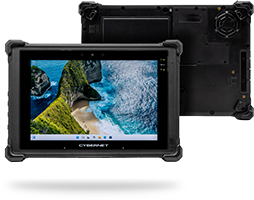
- Workers in the field can use industrial tablets to communicate with superiors, share information, and monitor the status of other devices via Bluetooth and WiFi connections.
Benefits of Using Smart Sewer Systems
Public sanitation departments and municipal managers who implement smart technologies in their sewer systems enjoy numerous advantages over older, manual workflows, such as:
Early Blockage Detection
A blockage in the sewer system can cause serious damage to the system and nearby properties and can even pose a serious health hazard. Smart sensors that monitor water levels and flow rates can alert operators to warning signs of a blockage, such as abnormally high water levels or low flow rates. This allows those operators to address the issue before it spirals out of control and causes a spill.
Better Pollution Monitoring
Pollution-detecting sensors can be used for both sanitary and stormwater systems, detecting signs of leaks in the former and illegal dumping in the latter. This early detection means leaks can be patched and dumping sources can be addressed before they become a serious public or environmental health issue.
Real-Time Operational Control
Smart sewer systems enable operational control of valves, gates, and pumps from a single location. Municipal managers can direct the entire sewer system’s operation from a single workstation, rather than having to travel around town and manually operate those devices in person.
This kind of consolidated control is especially useful for stormwater systems that must react swiftly to sudden flooding or heavy rainfall events. These systems can even be automated and adapt to changing circumstances with zero need for human input.
Predictive Maintenance
Unplanned downtime in a sewer pump due to breakdown can have dangerous consequences for both humans and the environment. IoT sensors can detect early warning signs of mechanical failure, such as abnormally high temperatures or excessive vibrations, and alert teams before the machine suffers a serious mechanical failure.
A planned period of downtime for repairs and maintenance is easier to manage and spares sewer management teams from scrambling to react to a sudden breakdown. It also reduces overall operating cost, as scheduled maintenance is less expensive than unplanned downtime.
Empower Smart Sewer Systems with Cybernet Manufacturing
As urbanization and water usage increase, sanitary sewer systems will only become more crucial as civic infrastructure. Similarly, stormwater systems will continue to be tested as weather becomes harsher and more unpredictable. Both systems can benefit from using advanced industrial computers and smart technology to manage their processes, track critical information, and keep water tables safe and unpolluted.
If you’re ready to upgrade your city or town’s sewer system with rugged, reliable technology, talk to the experts at Cybernet Manufacturing. Our line of industrial-grade computers and tablets can support IoT technology, coordinate workers in the field, and give you deeper insights into how your machinery is performing.
With a failure rate below 0.5% and a range of customization options available thanks to our experience as an OEM, we can work with you to create a custom solution that perfectly fits your needs.