Cybernet has tested and validated ThinOS on its medical-grade platforms to ensure reliability, security, and compliance in real clinical environments. This combination of advanced hardware and software is:
- Protected against cyberattacks
- Easy to deploy, manage, and update, even for large fleets of computers
- User-friendly, even when switching between multiple devices
- Certified safe for the healthcare sector
- Reliable even after hundreds of cleaning and disinfection cycles
Pairing Cybernet medical computers with Dell’s ThinOS operating system provides a solution that is secure, adaptable, and ready for the rigors of the healthcare sector.
Why Do Hospitals Choose ThinOS?
Dell ThinOS (Thin Operating System) is a common solution in healthcare settings and is designed to enable virtual desktop infrastructure (VDI). This means that the computer the user interacts with serves mainly as a user interface, rather than a source of computing itself. Information is not saved locally on the computer; it is stored on a centralized server, with the computer serving as an access point. A healthcare provider can access the same tools and information from any computer in the network as long as they use the same login credentials to do so, making it extremely useful for providers who have to move from one device to another.
Advantages of ThinOS in Healthcare
ThinOS’s features make it extremely attractive for use in the healthcare field, where factors like security, ease of deployment and use, and flexible design are critical for any digital tool.
Security
Cybersecurity in healthcare is critically important due to how personal and valuable private health information is. ThinOS helps ensure data security through several means. The first is by adopting a zero-trust model of security, where every message or data transmission, no matter what source it comes from, is thoroughly inspected and verified. ThinOS also lets IT teams place strict controls on what users are able to do, thereby preventing them from using unauthorized apps or devices that could carry malware or give cybercriminals access to the healthcare group’s data.
This is particularly important in clinical environments, where downtime caused by ransomware that locks providers out of their systems can directly affect their care. It also ensures clinical continuity by preventing unauthorized users from accessing, editing, or stealing private health information. Lastly, this level of control is critical to maintaining HIPAA compliance, particularly the Security Rule's requirements for administrative and technical safeguards for protected health information.
As a thin client, ThinOS is also easier to update, which makes device management easier for IT teams. For example, if the team needs to roll out a BIOS update, ThinOS’s management tools let them deploy it to the entire fleet with a few clicks, rather than having to update every unit individually. This makes it easier to address security flaws that could otherwise let malicious actors into your network.
Flexibility
Another significant advantage of ThinOS is that it is designed to work across multiple platforms, including all-in-one PCs, tablets, and mini box PCs. This is perfect for healthcare, which uses all of these devices in various roles. With ThinOS, a provider can start with an all-in-one PC and transition to a tablet when they need a mobile solution.
Because information is saved on a centralized server rather than a specific device in a VDI environment, the provider suffers no interruption in their workflow, such as having to fill out the same form twice. With single sign-on security measures, they can use the same credentials for each device, maintaining continuity between them and reducing the number of passwords they need to manage.
Another significant advantage of VDI environments is that they allow multiple providers to use the same device. Many hospitals use shared clinical workstations and “hot-desking” to save on space. For example, rather than assign every provider their own individual desk, they will use one that is assigned to them during their shift and used by others outside of those hours. With a VDI environment, each provider can access the tools and information they need without interfering with their coworkers, as it effectively becomes a different device for each user. A cardiologist, a pediatrician, and an oncologist can all use the same computer at different times, but because each user sees a different virtual desktop, their work never overlaps.
Ease of Use
ThinOS is designed to be easy to use and implement for both regular employees and IT teams who manage it. For IT teams, ThinOS is designed to be as modular and customizable as possible, letting you install programs and tools you need without being saddled with unnecessary bloatware. This reduces the workload for IT teams, allowing them to focus on other, more demanding tasks. Having a single operating system for the full fleet of devices further reduces IT overhead, letting them focus on issues like addressing potential security risks or troubleshooting errors. Having the entire fleet run on a single OS also reduces the number of drivers required, leading to fewer endpoint failures caused by software glitches.
The flattened nature that ThinOS offers also means that healthcare providers can access the tools they need, be it an EMR program, imaging software, or prescription filler, without navigating past apps they never actually use. Because VDI stores desktop state centrally rather than on the device, logging into a new device is also faster. When a provider enters their credentials, the server automatically loads the most recent desktop image, complete with the tools they were last using, so they don't have to manually relaunch each program.
How Cybernet Manufacturing Supports ThinOS
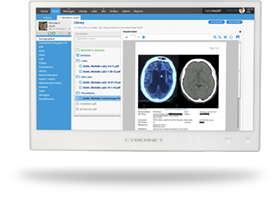
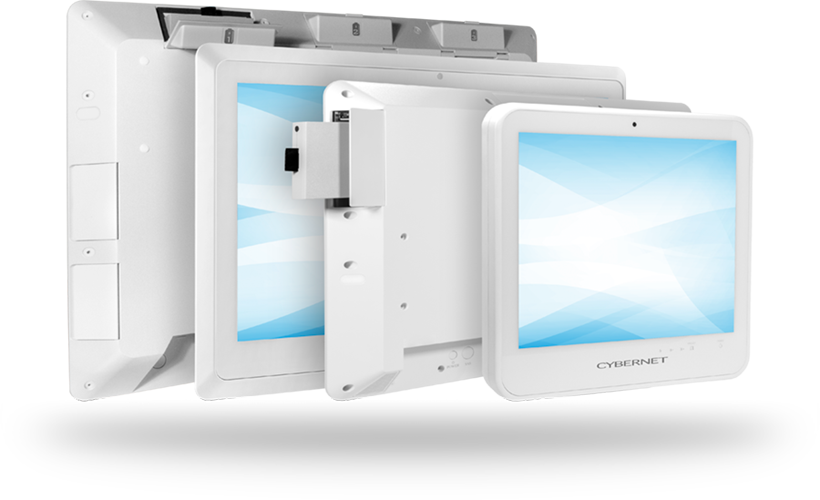
ThinOS is only one half of the equation, however. It also needs rugged, reliable, and powerful hardware to serve as the user interface. That’s where Cybernet’s line of medical-grade PCs comes into play. We have fully validated our devices to work with ThinOS, ensuring compatibility between our hardware and their software. After extensive testing, we can confirm that Cybernet computers support the full range of modern ThinOS drivers.
Unlike consumer or office thin clients, Cybernet medical computers are designed for continuous clinical use, frequent disinfection, and long lifecycle stability. This makes them a reliable platform for ThinOS deployments in patient-care environments with critical features like:
- Integrated RFID and smart card readers for access control, letting healthcare groups manage who can access the computer.
- Integrated TPM chips, which encrypt locally-saved information and can detect any attempt to tamper with the device.
- IEC 60601-1 certification for our computers and monitors, ensuring they protect patients from electric shock and do not interfere with nearby electronic devices.
- IP65-rated front bezels for our panel PCs and monitors, which protect the electronic components within them from spills and during cleaning and disinfection. Combined with the consolidated software drivers, this further reduces device failure and ensures reliability.
- Full support from the original equipment manufacturer, with complete control over the bill of materials and manufacturing process to ensure there is no deviation from your device’s golden image.
How You Can Use Cybernet Products With ThinOS
If you would like to use Cybernet devices alongside ThinOS, but aren’t sure how to integrate them into your work, consider the following two options:
Option One: Use a Cybernet all-in-one medical PC. These devices combine both a monitor and a PC into a single unit, making them extremely efficient in terms of space and weight. This makes them easier to fit into various roles, whether that be on a medical cart or at a patient’s bedside. With various wired and wireless connectivity options, they can connect to the hospital’s server and use ThinOS to support a wide range of providers, including doctors, nurses, imaging specialists, and more.
Option Two: Use a Cybernet battery-powered medical monitor. This option is ideal for users who want a durable display that won’t get damaged by frequent cleaning, but also want to use a thin client PC solution. These monitors provide the visibility and image detail required for medical applications without compromising reliability. You can also use our line of battery-powered monitors to power your thin client PC, which is perfect for a mobile cart solution. The combination of a battery-powered monitor and a small PC on an unpowered cart is lighter and less expensive than a typical powered cart solution, saving your organization money and sparing your providers from having to push a heavy cart around during their shift.
Medical Computers Ready for ThinOS
Thanks to its flexible deployment options, rigorous security features, and ease of deployment and use, ThinOS can be an extremely useful tool for healthcare groups looking for a desktop solution that works across multiple platforms. Supporting ThinOS requires medical-grade computers that align with its cybersecurity standards and deliver reliability and safety features suitable for the healthcare sector.
If your healthcare group or hospital is looking for computers that support VDI operating systems such as ThinOS, contact Cybernet Manufacturing. We’d be happy to explore our product options with you or develop a customized solution that gives your providers the tools they need wherever they go.