Any organization with a large fleet of commercial vehicles, such as a shipping company or a municipal bus service, knows how critical it is to manage that fleet. For these organizations, ensuring that both drivers and vehicles are prepared and ready is the greatest factor that determines success or failure.
The modern solution involves equipping vehicles with rugged industrial computers, which handle various functions on the vehicle itself and automate logistical tasks, making operations more efficient.
What is Fleet Management?
Fleet management is the discipline of managing the systems, tools, and processes that support a fleet of commercial vehicles. The fleet in question could be anything ranging from cars to aircraft to sea vessels; however, this article will focus on commercial vehicles like trucks and buses, as they are by far the largest sector of this industry.
Fleet management computers come in two different types:
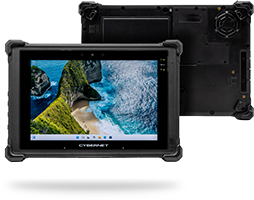
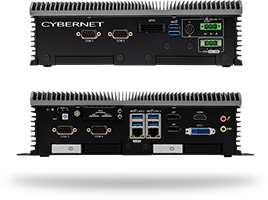
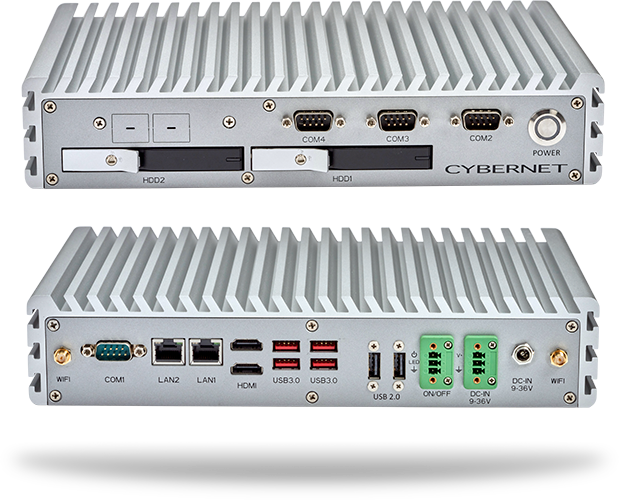
- In-vehicle computers that are mounted directly inside the vehicle, typically inside the cabin for easier access. These computers are used primarily for real-time tracking and managing various other systems on the vehicle.
- Fleet management tablets used by workers in the yard or motorpool, which handle work assignments, inventory management, and diagnostics during maintenance.
How Does Fleet Management Work?
At its most basic, a fleet manager’s job is to ensure the fleet is ready to fulfill its obligations. This includes day-to-day tasks like assigning vehicles and drivers to the correct tasks, as well as managing maintenance schedules, the procurement and retirement process, setting performance expectations, and ensuring regulatory compliance.
In the past, this work was done with logbooks and paper records, which were prone to misfiling, damage, and workers simply forgetting to fill them out. A fleet management computer mounted inside the vehicle tracks and updates this information automatically, letting drivers focus on actually driving, arriving at their destination safely and on time.
Modern technology also opens up new possibilities that had once been impossible. Real-time location tracking and route planning make navigation easier and help dispatch emergency services more quickly in the event of an accident.
What Challenges Do Fleet Management Computers Face?
Operating onboard commercial vehicles can be a surprisingly demanding environment for electronics. For an unprepared device, any of the following issues can easily render a computer unusable. Fortunately, solutions exist for all of these problems.
Vibrations and Shock
A poorly-maintained or bumpy road is usually just uncomfortable for humans. For an onboard computer, however, it can be a serious threat. Constant vibrations and sudden shocks can dislodge components inside the computer, leading to device failure. If a computer saves information to a hard drive, that information can get corrupted when the drive's spinning platter is jostled and fails to read or write data correctly.
Solution: A properly rugged industrial computer is tested and certified to withstand vibration and shock, as specified by recognized standards such as IEC 60068. They implement design features like soldering components directly onto the motherboard, which prevents them from getting dislodged, and use solid-state drives that don’t rely on moving parts the way hard drives do.
Power Surges and Voltage Instability
A car’s electronics depend on the battery and running engine to provide power. However, during the ignition and shutdown sequence, this power can fluctuate and be erratic. This is not a serious concern for some of the more resilient electrical systems on a bus or truck, such as the lights and air conditioning, but electronics such as computers are far more sensitive to these fluctuations and can suffer from damage or data corruption.
Solution: A purpose-built in-vehicle computer will use an ignition control system to manage unstable power conditions during startup and shutdown, regulating the voltage that the rest of the system receives. This prevents power fluctuations from affecting the computer and damaging any of its sensitive components.
Wireless Connectivity Issues
Obviously, any computer used inside a moving vehicle cannot rely on a wired Internet connection to send or receive information. Being constantly on the move means that any in-vehicle computer needs a powerful wireless connectivity option to maintain Internet access and support for functions like navigation and data sharing.
Solution: To maintain a consistent Internet connection, built-in computers will implement powerful wireless Internet receivers using dual-band WiFi and 4G LTE. This helps ensure a steady stream of information to and from the computer, which is critical for tracking performance metrics such as average speed, fuel consumption, and travel time.
Hardware and Software Compatibility
One frequent issue that consumer-grade computers can encounter when trying to interface with commercial vehicles is the lack of compatible ports and connectors. Many of the electrical systems on a vehicle use older I/O port designs for data and power, or more specialized connectors such as FAKRA, which a typical consumer-grade device will lack.
Solution: Industrial computers implement a wide range of both modern and legacy I/O ports, allowing them to fully interface with the vehicle’s systems. For specialized needs, an original equipment manufacturer can customize their computer to include the exact ports that you need.
Benefits of Implementing Fleet Management Computers
Using modern fleet management systems brings a wide range of benefits to operators, such as:
Real-Time Tracking
Thanks to their wireless connectivity, in-vehicle computers offer near-instantaneous updates on a truck or bus’s location at all times. This is a massive boon in two ways: firstly, it allows operators to know where their assets are at all times. If a driver suffers a breakdown or collision while on the road, these tracking measures make it easier to dispatch emergency services to their location.
Secondly, real-time tracking can be used to detect unusual or unsafe driver behavior, such as erratic braking, unauthorized deviations from a route, and unplanned stops. This lets fleet managers address potential risks to their employees and equipment rather than letting them go unnoticed.
Support for Data Analytics and Optimization
With resources like replacement parts and gasoline only growing more expensive, there is rising pressure on fleet operators to save money wherever they can. Fleet management computers can gather the data that operators need to make an informed decision.
For example, an in-vehicle computer can record how much gasoline the truck or bus consumes on its route. Operators can then compare this to the length of the route and how long it took to travel to determine if they need to change that route for greater fuel efficiency.
Streamlined Maintenance
Modern commercial vehicles use a wide range of sensors to track critical parameters like brake fade, tire pressure, engine temperature, and more. Fleet management computers can gather this data and compare it to established metrics to determine if the vehicle in question needs maintenance.
By identifying such issues early on and notifying operators that they need to be addressed, fleet management systems allow them to plan maintenance schedules rather than address them as they crop up unexpectedly and unplanned, which is more expensive. It also helps operators address issues before they spiral into something larger, such as replacing faded brakes before they cause an accident.
Master Fleet Management With Cybernet Computers
With built-in fleet management computers on every vehicle, operators can be safer, more efficient, and more organized. The only challenge is making sure you use the right kind of rugged and reliable computer to do so.
Looking to upgrade to modern devices for your fleet of commercial vehicles? Contact the experts at Cybernet Manufacturing. Our range of industrial PCs and tablets is designed, manufactured, and tested for rough work environments, and our experience as an original equipment manufacturer means we can customize them specifically to suit your needs. With a proven track record for providing in-vehicle computers, we can support your operations just as well.