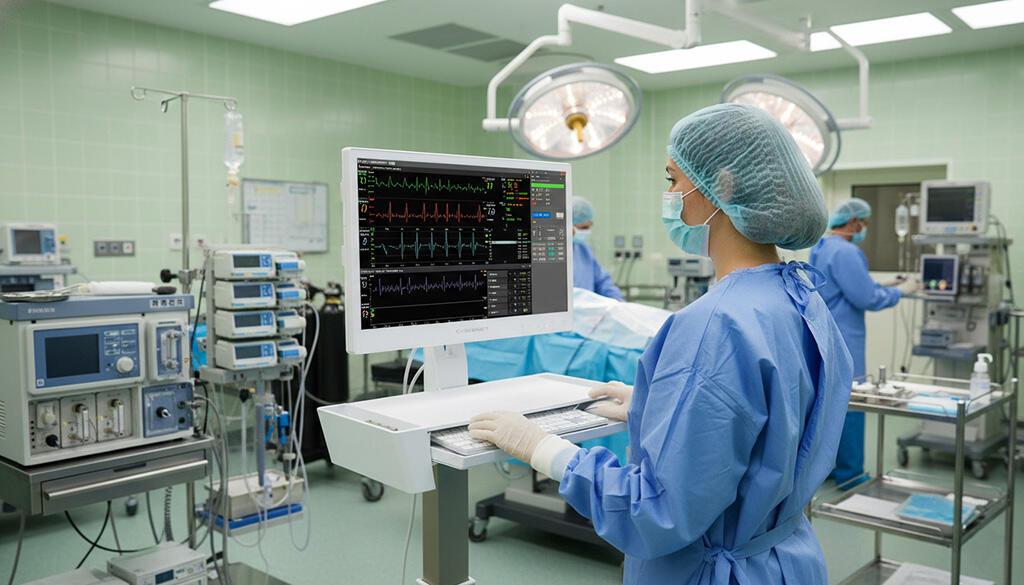
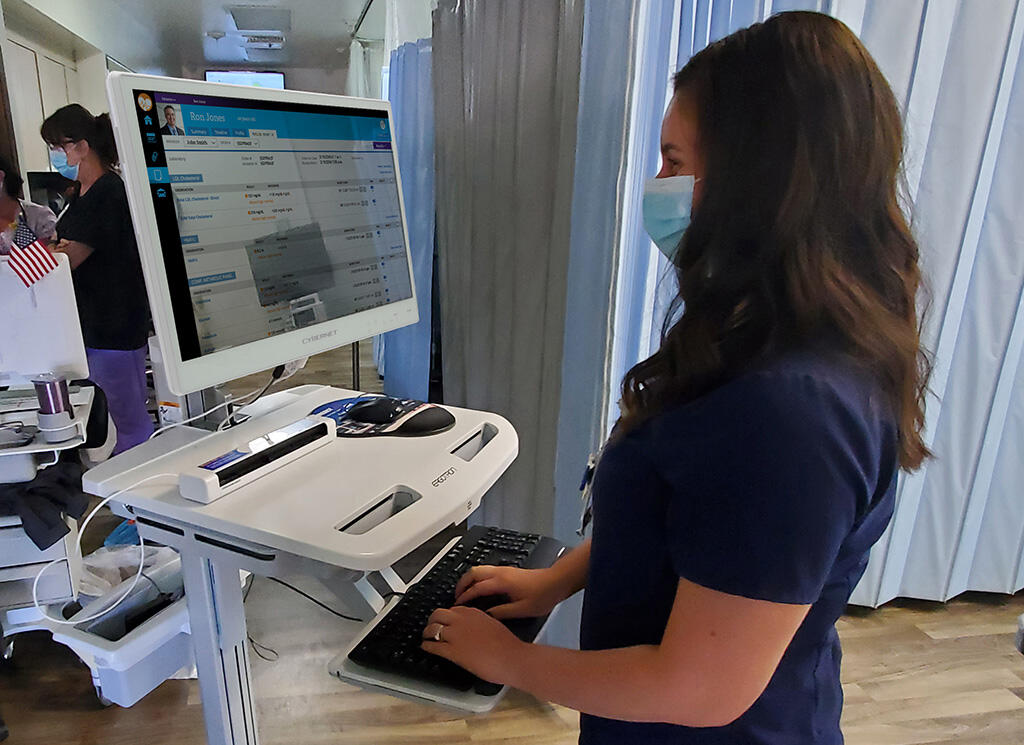
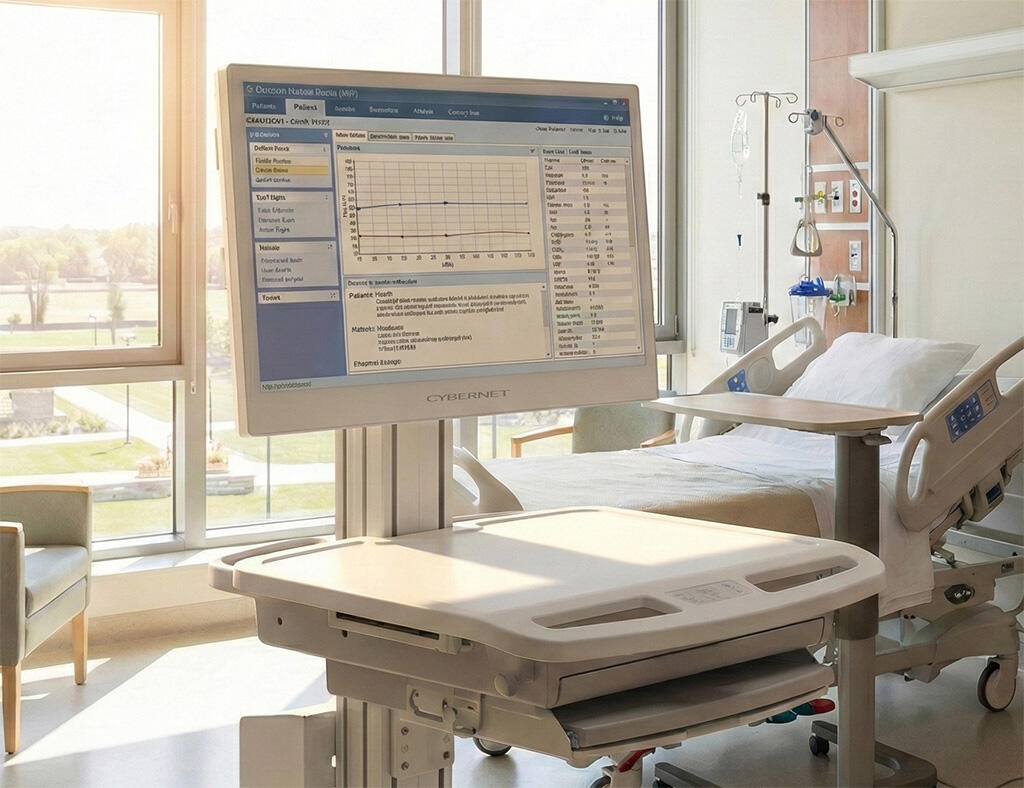
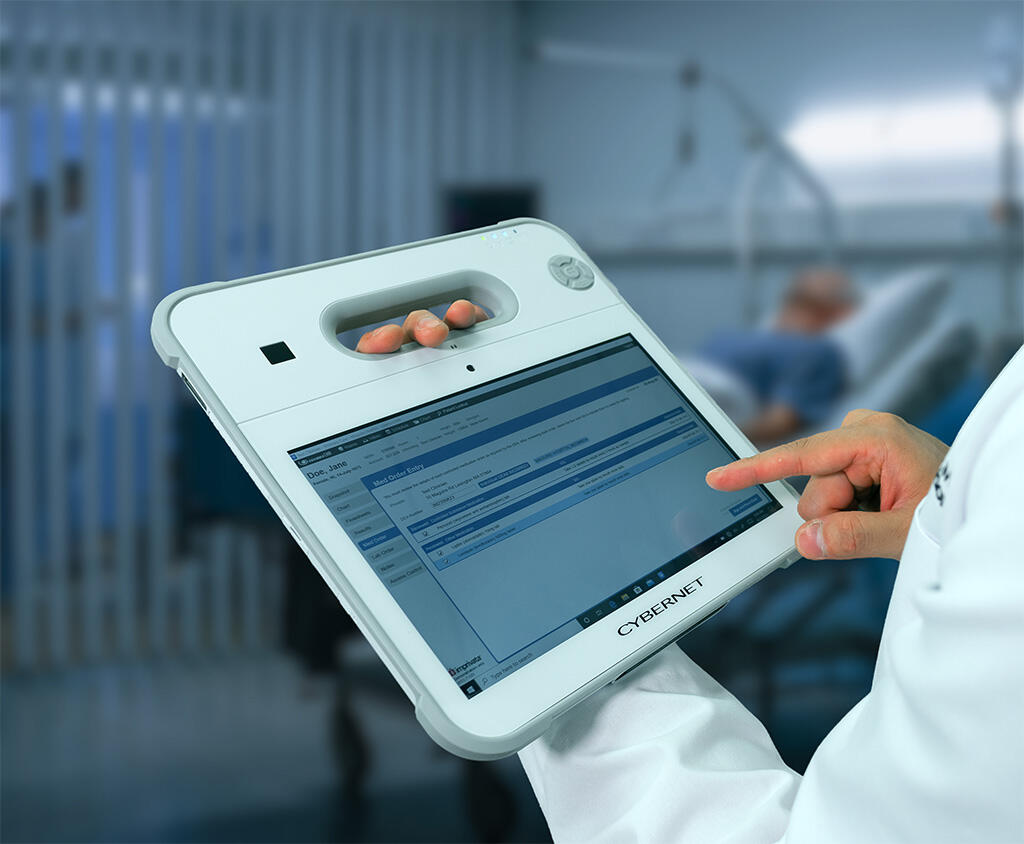
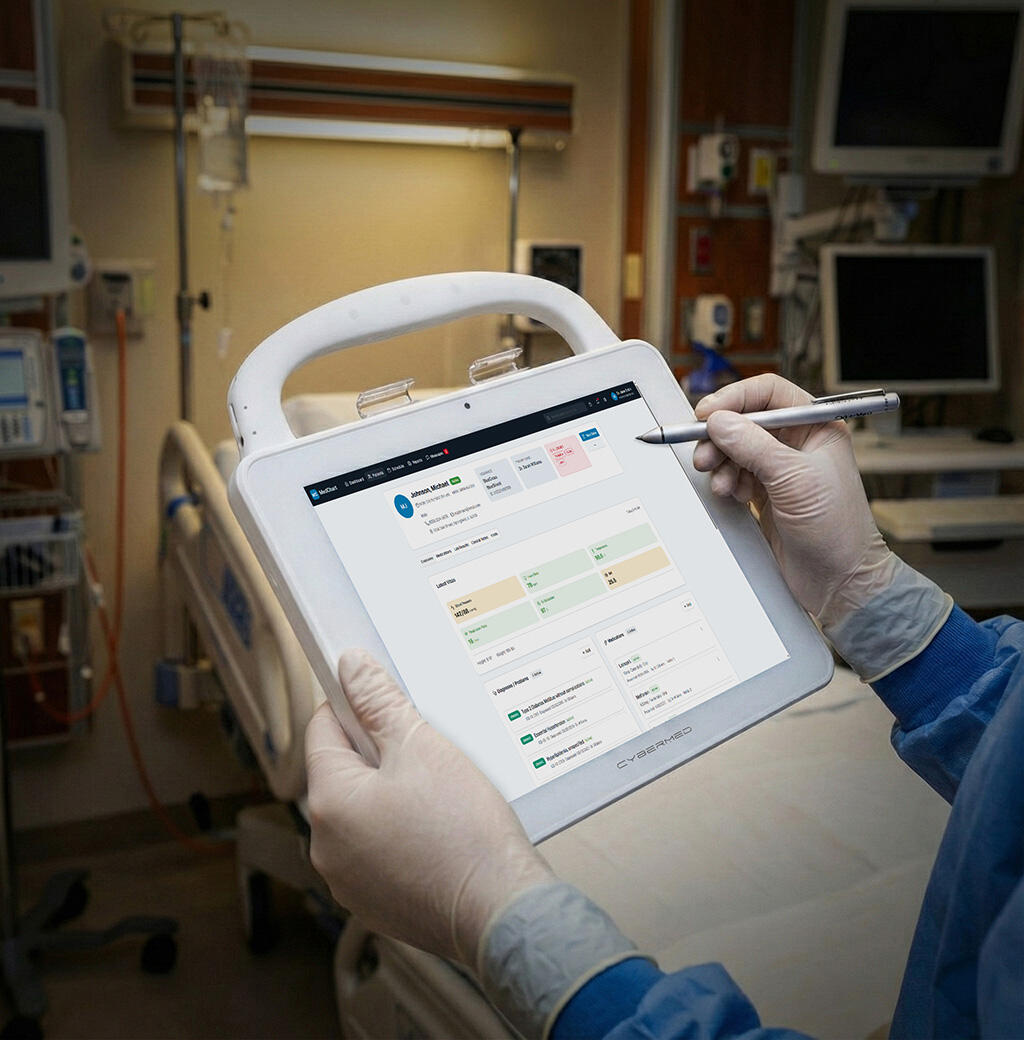
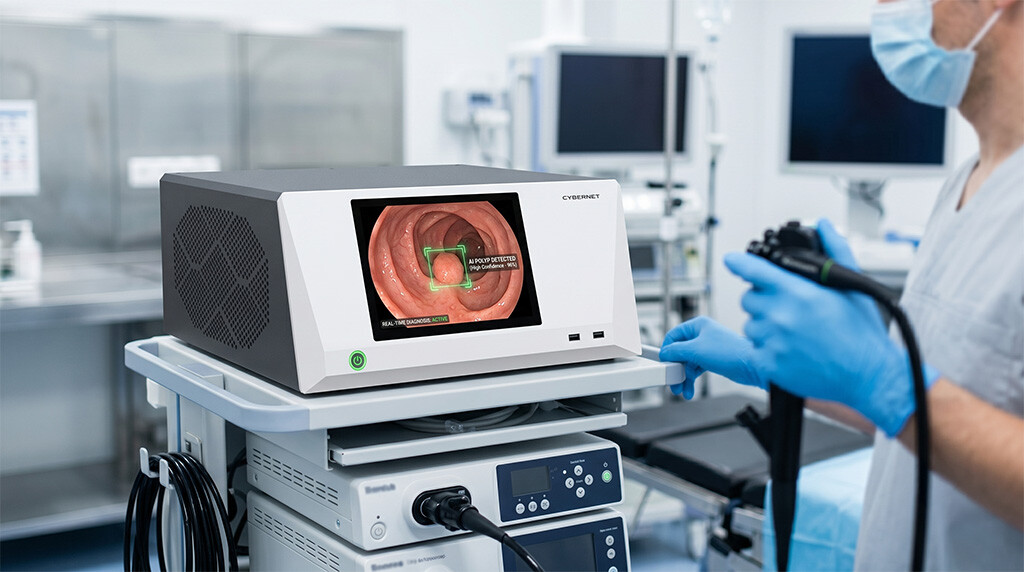
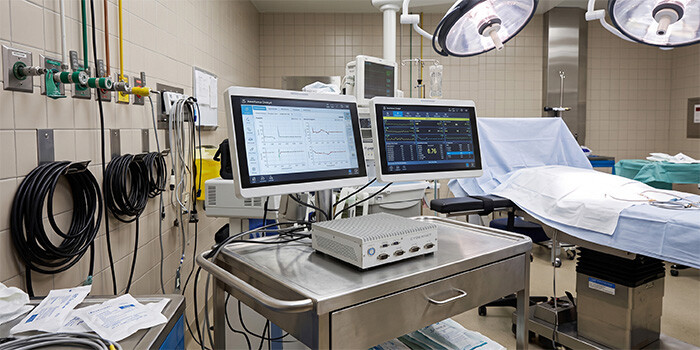
A medical computer is a specialized, medically certified computing device engineered for clinical workflows in hospitals, surgical suites, and intensive care units. Cybernet's healthcare computers feature IEC/UL 60601-1 safety certifications, baked-in antimicrobial housing, fully sealed IP65 touchscreens, and 100% passive fanless cooling to prevent airborne germ transmission and support strict hospital infection control protocols.
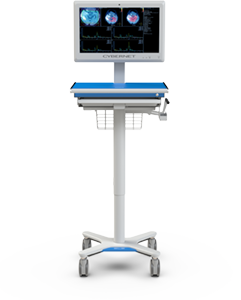
Heavy-duty, small-footprint nursing carts engineered to transform your medical computers into highly mobile bedside charting and medication dispensing stations.
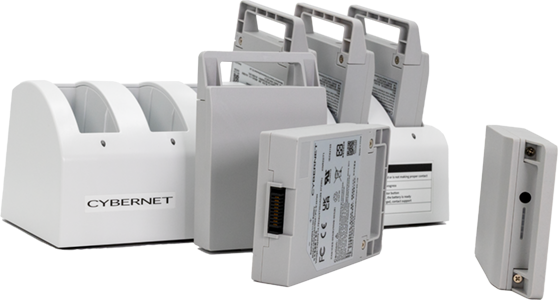
Advanced Battery Integration: Optimized for Lithium Iron Phosphate (LiFePO4) internal cart power, or pair with our hot-swappable computers to eliminate heavy cart batteries entirely.
Clinical Customization: Available with 2-tier up to 8-tier electronic locking medication drawers and supply bins with keyed access.
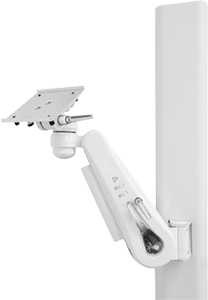
Certified VESA-compliant wall mounts, sit-stand tracks, and secure medical cabinets designed to maximise room real estate and clear loose cable hazards.
Ultra-Low Profile Footprint: Fold-away designs that protrude as little as 6" from the wall when not in use—ideal for tight exam rooms and busy corridors.
Full Articulation Arms: Dual-pivot systems with up to 25" of vertical height adjustment along with 180-degree tilt, pan, and rotation to easily share data with patients.
Complete your infrastructure deployment with Cybernet's fully sealed, industrial silicone medical components engineered to withstand rigid infection control protocols.
Easy to Clean: Smooth, wipeable surfaces designed to withstand routine hospital disinfectants and support infection control protocols.
Clinical Workflow Ready: Standard peripheral layouts that integrate seamlessly with your computers for dependable daily performance at the point of care.
Requires a messy web of external USB dongles, split power bricks, and vulnerable exposed cabling.
Ready to Upgrade Your Hospital Infrastructure?
Talk to an enterprise healthcare hardware consultant today. We offer custom configuration, mass imaging services, and risk-free hardware evaluation units for qualified healthcare systems.
Are Cybernet medical computers fully validated for major EHR platforms?
Yes. Every medical hardware platform we build is fully tested and validated for seamless native deployment with Epic, Oracle/Cerner, MEDITECH, and other major healthcare information systems.
What is the clinical benefit of a fanless cooling design?
Mechanical cooling fans act as tiny vacuums, pulling in dust, lint, and airborne contaminants from patient rooms. They present an infection control risk and stand as a primary mechanical point of hardware failure. Our passive cooling architecture radiates heat entirely without fans, significantly reducing these risks.
What distinguishes a Medical AI PC from standard clinical workstations?
Standard clinical hardware is designed primarily for data entry and chart viewing. Cybernet Medical AI PCs feature dedicated chipsets (NPUs) and robust GPU architectures tailored specifically to handle continuous computational demands like real-time computer vision, instant medical imaging analysis, and voice-to-text clinical documentation right at the patient bedside without data leaving the room.
How does the integrated Single Sign-On (SSO) architecture work?
To optimise clinical workflows, our computers offer internal, built-in Imprivata RFID and smart card readers. This eliminates external dongles, drastically speeds up clinician tap-in/tap-out times, secures patient privacy, and cleans up the visual look of the workstation.
This website uses cookies and third-party tools, including Google Analytics, Google Ads, and live chat, to improve your experience. No tracking begins until you choose below. For full details, see our Privacy Policy.
Customize Preferences
Select which scripts and tracking technologies you allow to run. Essential scripts cannot be disabled as they are required for security.